
BPC-157: What the Evidence Actually Supports
A citation-first read on the most hyped repair peptide, mechanism, the rodent data, the missing human trials and the risk nobody markets.
BPC-157 11 minRead the briefThe compounds people ask about most. Tap a vial for the profile, the studies and what it conflicts with.
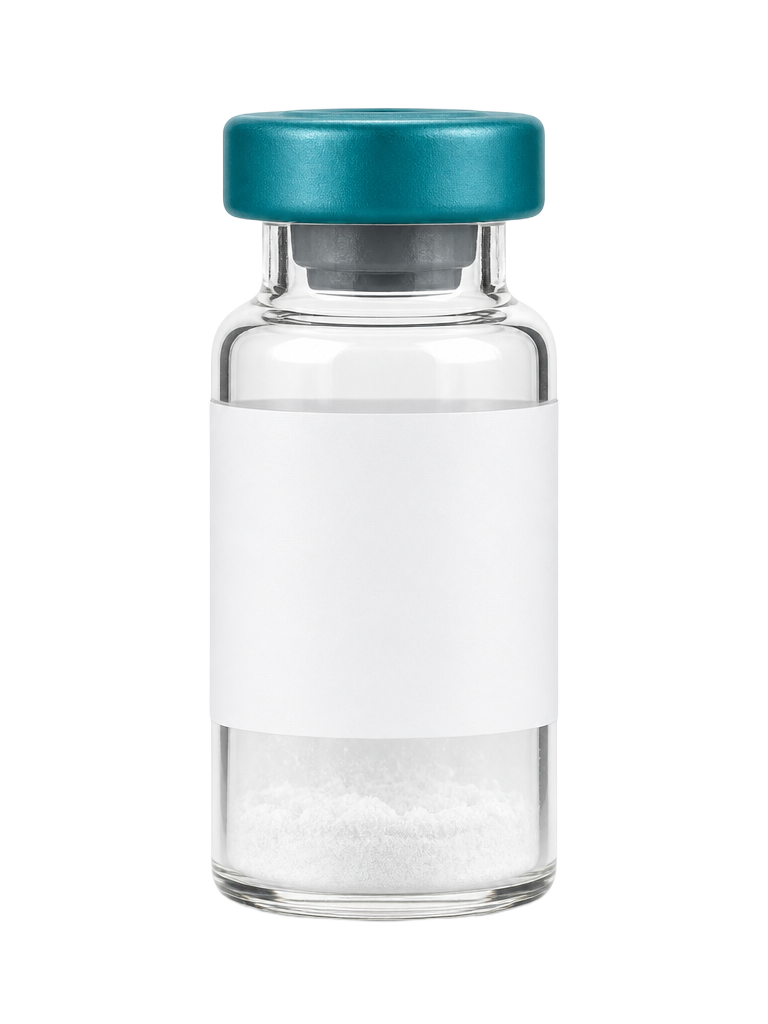 BPC-157Healing and repairTB-500Healing and repairGHK-CuSkin, hair and pigmentationSemaglutideFat loss and metabolicTirzepatideFat loss and metabolicCJC + IpamorelinLean mass and recoveryTesamorelinFat loss and metabolicNAD+Longevity and cellular healthMOTS-cLongevity and cellular healthEpithalonLongevity and cellular health
Peptides 101
You do not need a biochem degree. You need the vocabulary, one goal, and the mechanical steps in order. This is the path most people take in their first week here.
Start with these briefs
 Peptide Stacking: What the Evidence Actually AllowsCombination protocols are extrapolations layered on extrapolations. Here is the reasoning framework, and why most stacks fail it at step one.7 min read
 How to Read a Peptide Certificate of AnalysisPurity percentage, net peptide content, HPLC traces and mass spec, a plain-language guide to verifying what is actually in the vial.8 min read
 GHK-Cu: The Copper Peptide With Actual Human DataWhere the dermatology evidence is genuinely strong, where the systemic claims collapse, and why formulation decides the outcome.9 min readBPC-157: What the Evidence Actually SupportsA citation-first read on the most hyped repair peptide, mechanism, the rodent data, the missing human trials and the risk nobody markets.11 min read
The library
A citation-first read on the most hyped repair peptide, mechanism, the rodent data, the missing human trials and the risk nobody markets.
BPC-157 11 minRead the brief
Semaglutide, tirzepatide and what comes next, incretin biology, the actual trial numbers, and the questions the headlines skip.
Purity percentage, net peptide content, HPLC traces and mass spec, a plain-language guide to verifying what is actually in the vial.
Where the dermatology evidence is genuinely strong, where the systemic claims collapse, and why formulation decides the outcome.
Combination protocols are extrapolations layered on extrapolations. Here is the reasoning framework, and why most stacks fail it at step one.
Most readers already know what they want to run. What stops them is the execution. Here are the eight questions we get asked most, answered plainly.
Still stuck on the how? The Protocol Quiz helps simplify your journey.